🎉 Our Chrome Extension is here! Get live market prices right in your browser.Install Now
Washington's sanctions bite, pushing Beijing to de-dollarize. The long game? A financial system built beyond Uncle Sam's reach. Don't miss this.
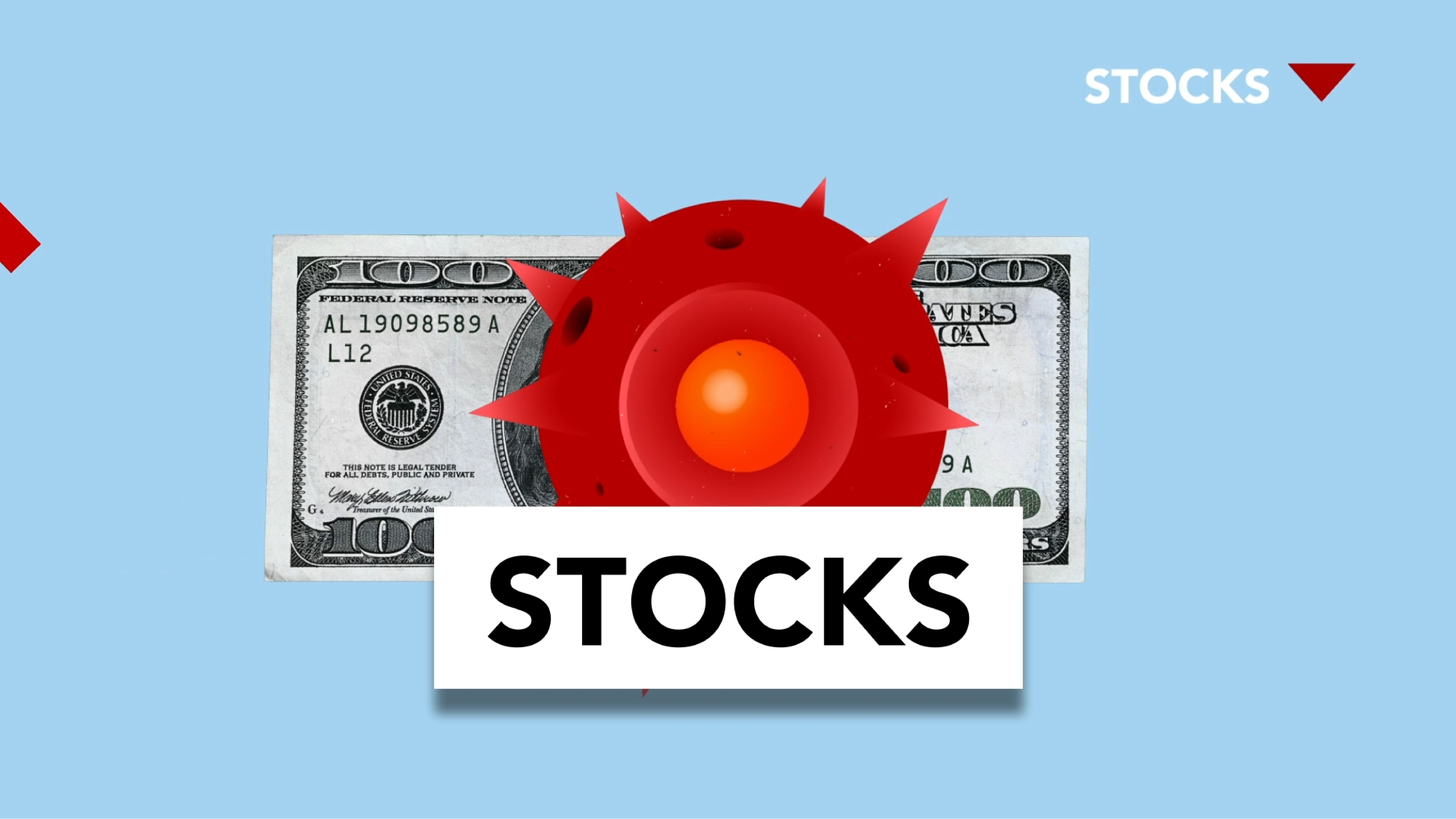
Washington just flexed its muscle again, pushing sanctions against Iran that put Beijing's financial ties directly in the crosshairs. But China isn't just taking it; they're actively building an escape hatch from dollar dependency, and that's the real story today.
The play here is classic US leverage: deny access to the greenback, hit Chinese banks dealing with sanctioned entities like Iran. It’s a move we’ve seen before, a reminder that the global financial system often runs on Washington’s terms. The White House explicitly uses access to its financial plumbing as a pressure point, a powerful tool against anyone deemed out of line.
But Beijing isn't just sitting still. The push to build out alternatives like the Cross-Border Interbank Payment System (CIPS) isn't just about efficiency; it's a strategic hedge. Think of it as an insurance policy against future 'economic D-Day' threats aimed at severing financial ties, a narrative that’s gaining serious traction after recent US actions. This isn’t a quick fix, but a deliberate move to reduce vulnerability.
CIPS scale up to handle significant transaction volumes, proving its viability?This isn't just about Iran, or even just China. It’s the slow, inevitable creep toward a multi-polar financial system. Every time Washington uses its dollar dominance as a hammer, it galvanizes efforts to find alternatives. This accelerates the 'post-dollar world' narrative that’s been bubbling for years. The long-term game here is about economic sovereignty, not just trade.
The question isn't if the financial landscape changes, but how fast. The US weaponization strategy is pushing countries to protect themselves. For investors, this means keeping an eye on everything from currency reserves to the velocity of cross-border non-dollar transactions. The geopolitical chessboard is reshaping global finance.
So, what's the trade? First, volatility in currency markets (USD/CNH, other emerging market crosses) is probably understated. Geopolitical tension directly impacts these flows. Anyone tracking the tick-by-tick reaction in global capital shifts can pull live data straight from RealMarketAPI, which streams price feeds across 50+ instruments.
Second, keep an eye on commodity plays. A world less reliant on the dollar could see shifts in commodity pricing and settlement. Also, consider the ripple effect on tech – specifically, how these tensions might impact supply chains and semiconductor demand, a theme we just covered in AMD Dumps Post-Earnings: Can Lisa Su Brush Off This AI Reality Check?. The broader implications of these financial shifts are complex and could even overshadow shorter-term Fed jitters, as we saw with recent Wall Street Rebounds: Iran Deal Eclipses Fed Jitters, Intel Leads Chips. The playbook is evolving, and staying nimble is key.